Kyoto’s Rain & Cedar: A Pilgrimage to Quiet Tea Sanctuaries
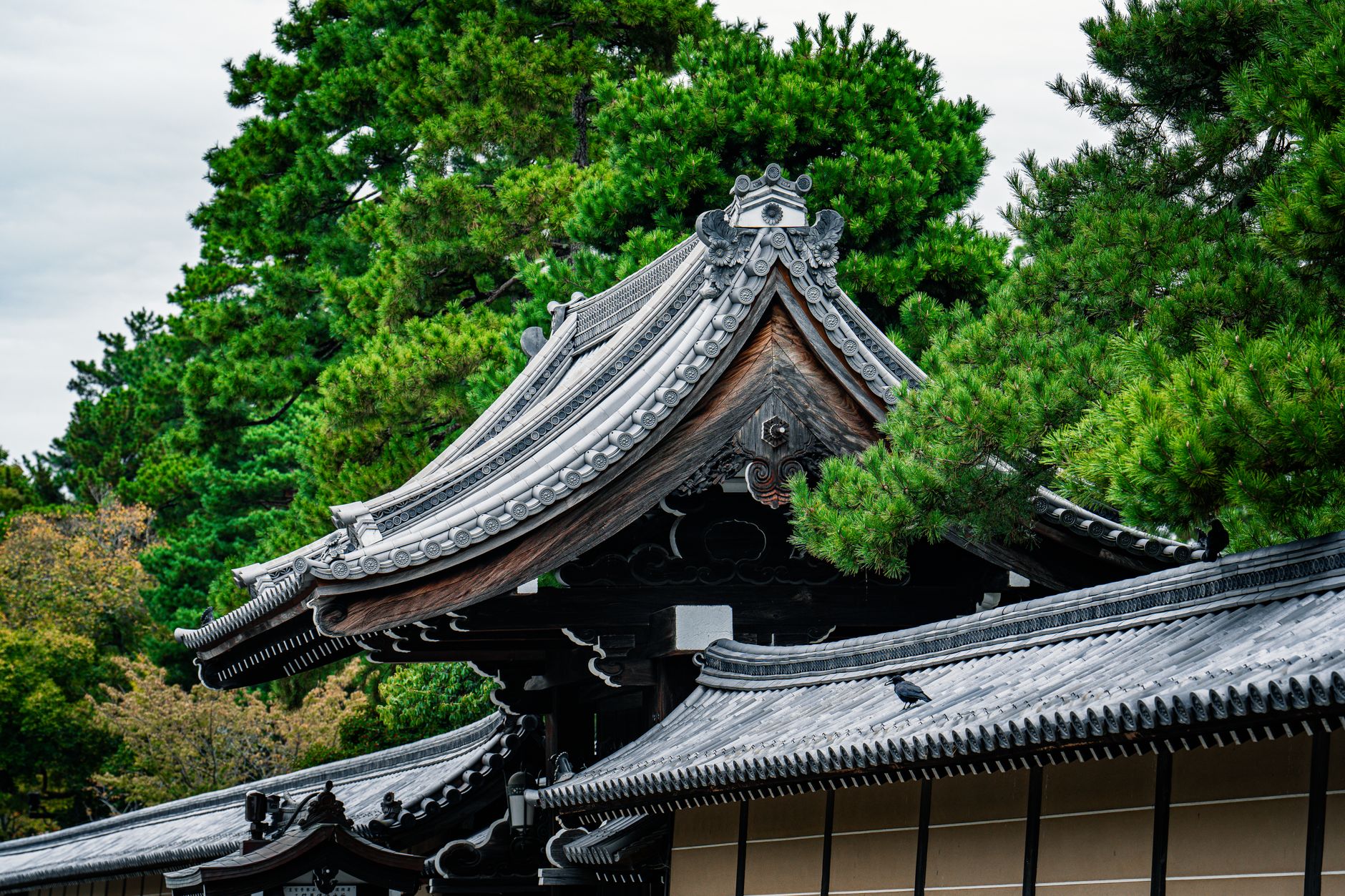
When summer gives way to the first rains of September, Kyoto breathes a deep sigh of relief. The cedar shingles darken to near-black, and emerald cushions of moss drink hungrily from misty air.
The Architectural Grammar of Wood
In traditional Japanese carpentry, nails are avoided entirely. Beams join together through elaborate interlocking mortises that flex and adapt with changing humidity and earth tremors. To sit on the wooden veranda (engawa) of a quiet sub-temple in northern Daitoku-ji is to observe this wooden harmony first-hand.
Rain drops patter from wide eaves into shallow river stone gutters below. In this acoustic cradle, everyday anxieties dissolve into simple observation of water falling from needle to moss.
Editorial Guide Note: Tea Protocol
Seek out intimate chashitsu (tea houses) located outside the Gion tourist zone. Turn off your mobile phone completely before stepping through the low doorway (nijiriguchi), designed historically to make samurai leave their pride and swords outside.
A Respect for Imperfection
Travel here teaches the philosophy of wabi-sabi—finding deep grace in things asymmetrical, weathered, and modest. The cracked ceramic bowl repaired with gold lacquer (kintsugi) tells a story not of damage, but of resilience and endurance.