The Silent Terracotta: Wandering Through Forgotten Val d’Orcia
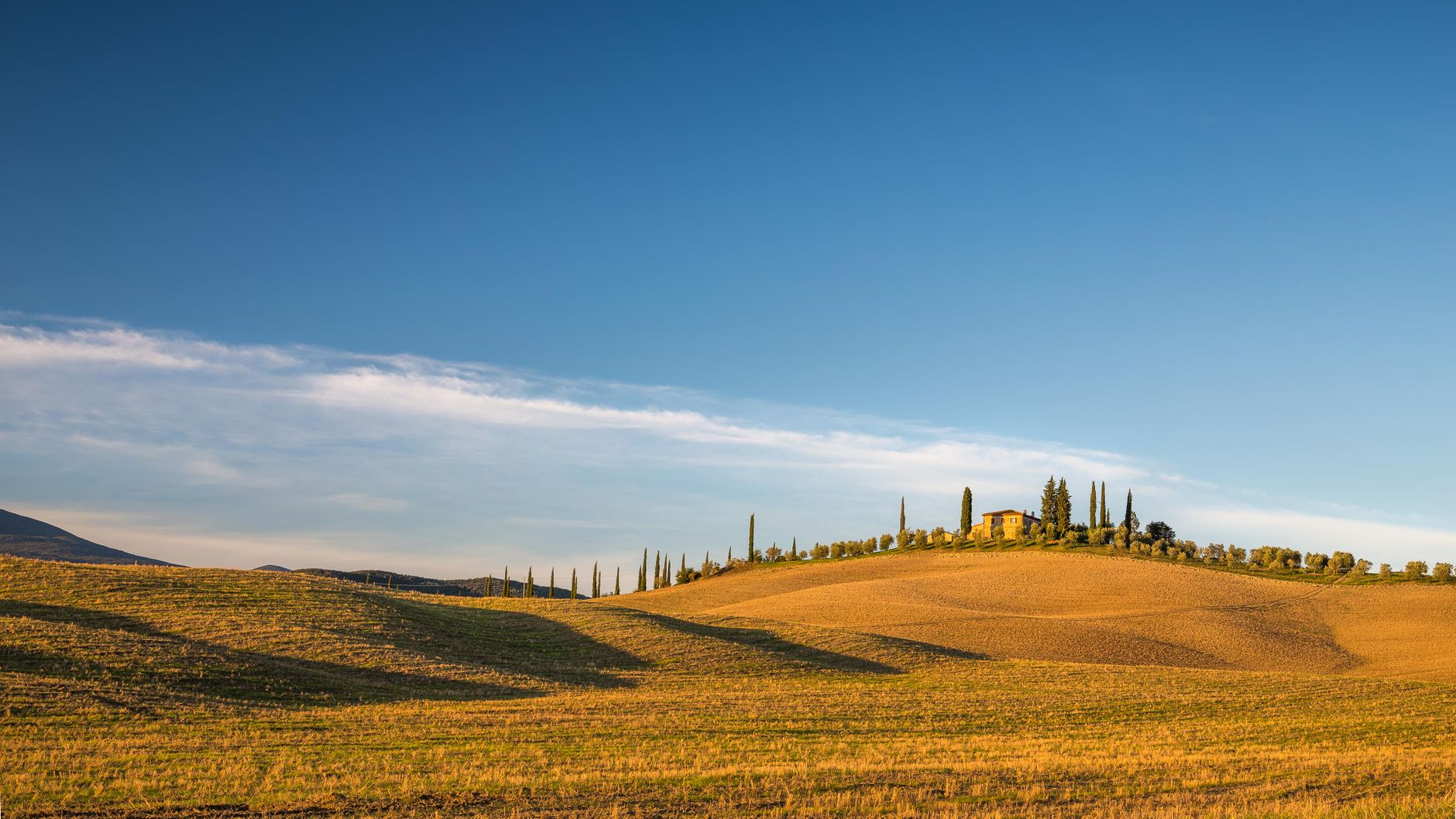
The wind through the clay hills carries the warm, resinous smell of dried rosemary and cracked limestone. Here, distance is measured not in miles, but in bell tolls echoing from solitary church towers.
Beyond the Postcard Cypress Avenues
Most travelers touch Val d’Orcia only to capture the symmetrical cypress trees beside the highway before rushing northward to Florence. Yet the real rhythm reveals itself only when you turn off the paved arterial roads onto gravel white lanes known locally as strade bianche.
In hamlets like Monticchiello and Castiglione d'Orcia, noon settles with cinematic silence. Stone arches built in the fourteenth century cast deep shadows across cobblestones polished by hundreds of years of footfalls. Here, elderly olive farmers still barter unrefined oil with village bakers for crusty wood-fired loaves.
Editorial Guide Note: When to Visit
For mist-shrouded sunrises and golden afternoons without heat haze, schedule your visit between late September and mid-November. The olive harvest peaks in early November, bringing fresh peppery oil to every local table.
Thermal Springs and Wild Fig Groves
Descending toward Bagno Vignoni, the scent of sulfur mingles with wild fig trees that cling to volcanic crevices. Unlike crowded day spas, the natural limestone pools nestled in the lower woods remain open to any quiet wanderer willing to walk twenty minutes down the pine needles.
At twilight, as the surrounding clay ridges turn from ochre to deep plum, the hot steam rises into cool autumn air. It is a reminder that the world remains ancient, patient, and profoundly generous when approached without haste.